FLM.RED / After the credits
City of God The picture Rocket lets people see
Spoiler warning. This article reveals Li’l Zé’s fate, the newspaper photograph and the final scene of City of God (2002).

Open the recap & discussion — spoilers
Rocket has two sets of pictures that could make the front page. One shows the police taking money and letting Li’l Zé go. The other shows that Zé is dead. Rocket lets the paper have the second. In a film that rewinds so we can see where a single event came from, the first set of pictures makes you think about how little of a neighborhood can fit in one news story.
Where Rocket is standing
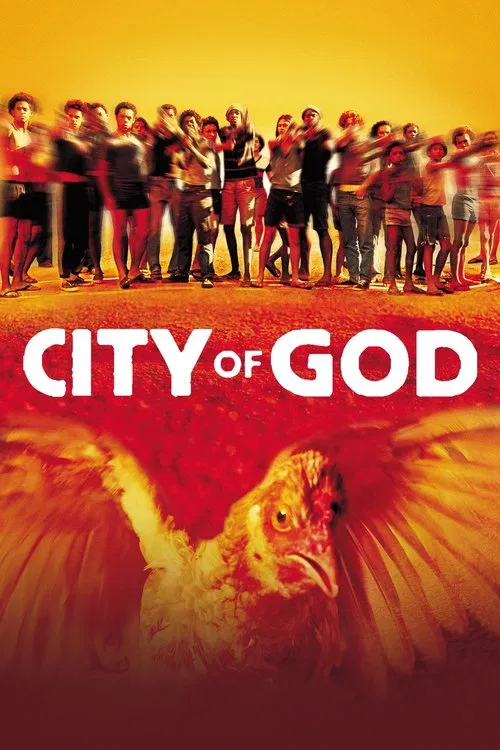
A chicken flees down the street at the start, and Rocket finds himself between Li’l Zé’s group and the police. Then the film goes back to his childhood. By the time it returns to the same street, we know more about both sides and have a better idea of what it costs to stand between them with a camera.
The camera gives Rocket a way to look for work and gives people from outside a chance to see part of the neighborhood he grew up in. Fernando Meirelles told the BFI that he saw the film as bringing the favelas into view for more of Brazil. Inside the story, that visibility depends on who gets to take a picture and who decides which one reaches the paper.
The pictures the police have reason to fear
Rocket sees the police take money and let Li’l Zé go. The Runts then kill Zé, and Rocket has images of both events. The photograph of the body can get him into the newspaper. The pictures of the police could bring the people in them back to his door. He has to weigh the work he wants against a threat he has just seen for himself.
For a reader, seeing that Zé is dead might make the story seem over. The film’s audience also saw the police let him out of their custody. Knowing what is outside the published frame helps explain why one man’s death will do so little to end the violence.
The children who keep walking
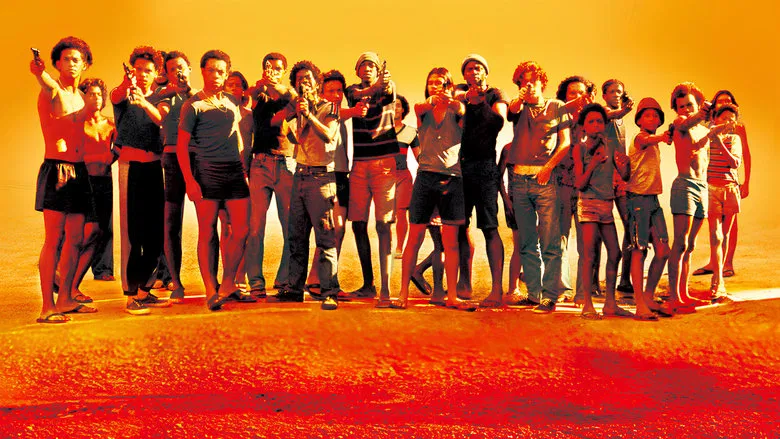
After Zé dies, the Runts walk along the street discussing who comes next. The ordinary sound of children talking gives the future a shape that the front page cannot convey. Rocket has a way forward. The neighborhood still has these children to contend with.
The closing footage includes a television interview with the real man behind Knockout Ned. After listening to Rocket arrange the past for us, we hear a voice from the historical record. The film’s story has reached its end, and there is still something outside it to listen to.
After the photographs
- What story would you tell yourself about Li’l Zé’s death if you only saw what the newspaper printed?
- How does returning to the opening street change the way you see Rocket holding a camera?