1962
RADA / The Wild and the Willing
RADA records his graduation year; his first film role arrives the same year.
 FLM.RED
เอียน แม็กเชน
The authority in a voice
Lovejoy, Al Swearengen, Winston and the characters heard beyond the screen.
Blackburn, Lancashire, England, United Kingdom
Ian McShane can make a conversation feel like a negotiation even before its terms have been spoken. Born in Blackburn, Lancashire, on September 29, 1942, he trained at the Royal Academy of Dramatic Art, whose graduate record lists 1962. That year also brought his first film role in The Wild and the Willing. British television later gave him a particularly durable identity in Lovejoy, which began in 1986: an antiques dealer whose charm and capacity for manoeuvre give apparently respectable transactions an entertaining uncertainty.
Deadwood began in 2004 and cast him as Al Swearengen, the saloon proprietor at the centre of many of the town’s struggles over power. David Milch’s language gives McShane long, winding routes through an argument; he can make the listener wait for the point, then change its weight with a small shift of tone. His performance won the 2005 Golden Globe for actor in a television drama series and received a lead-actor Emmy nomination that year. The attraction of the role lies in watching calculation remain active inside the speech.
He returned as Swearengen in Deadwood: The Movie (2019), also serving as an executive producer. The Television Academy lists his 2019 television-movie nomination in that producing capacity. Returning to a character after a long interval creates a different acting problem: familiar rhythms have to carry the sense of time that has passed. It also makes the distinction between his two Emmy nominations useful to retain — the earlier one recognised a dramatic performance, while the later one recognised his contribution to the television film as a producer.
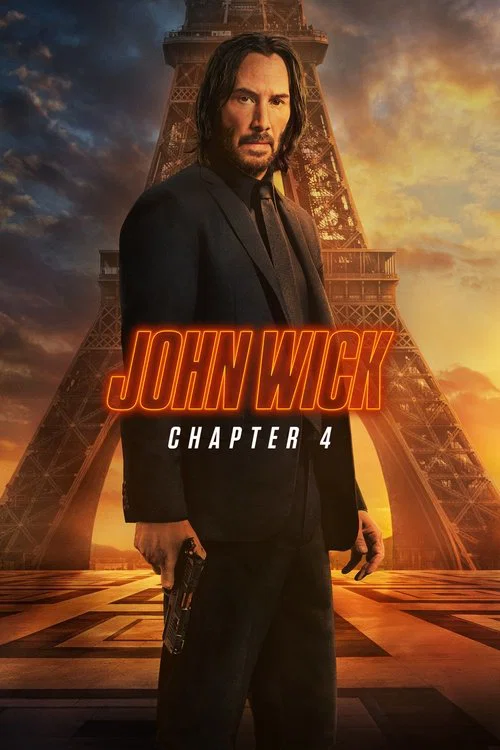
John Wick (2014) introduced McShane as Winston, a role he continued across the films and reprised in From the World of John Wick: Ballerina (2025). Within a world of rapid physical action, Winston’s deliberate speech gives encounters another tempo. A courteous sentence may sound like an invitation, a warning or a decision already made. McShane’s stillness is especially effective in that setting: it lets the viewer feel that the power to define a situation can matter as much as the capacity to fight through it.
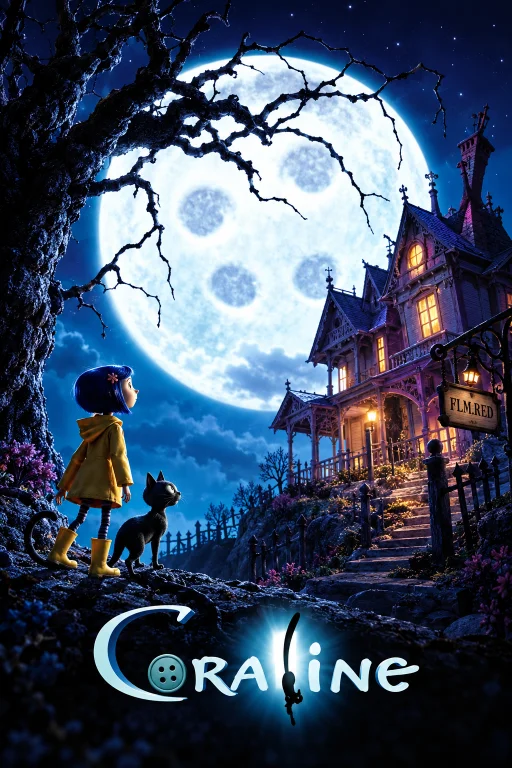
Animation gives that vocal presence a different body. He voices Tai Lung in Kung Fu Panda (2008), returning in Kung Fu Panda 4 (2024), and Mr Bobinsky in the English-language cast of Henry Selick’s Coraline (2009). These roles invite listening for how a phrase establishes pride, threat or theatricality. Following them alongside Lovejoy, Swearengen and Winston reveals a career connected by an attention to delivery: the meaning of a line often depends on how confidently a character expects everyone else to listen.
RADA records his graduation year; his first film role arrives the same year.
Begins playing the title-role antiques dealer.
Wins the television drama actor Golden Globe and receives a lead-actor Emmy nomination.
From John Wick to Ballerina, a recurring presence in the film world.
Returns as Swearengen and shares a television-movie Emmy nomination as executive producer.
English-language voice work in Kung Fu Panda and Kung Fu Panda 4.
Performance readings are FLM.RED editorial interpretation.
Titles in this collection; not a complete filmography.
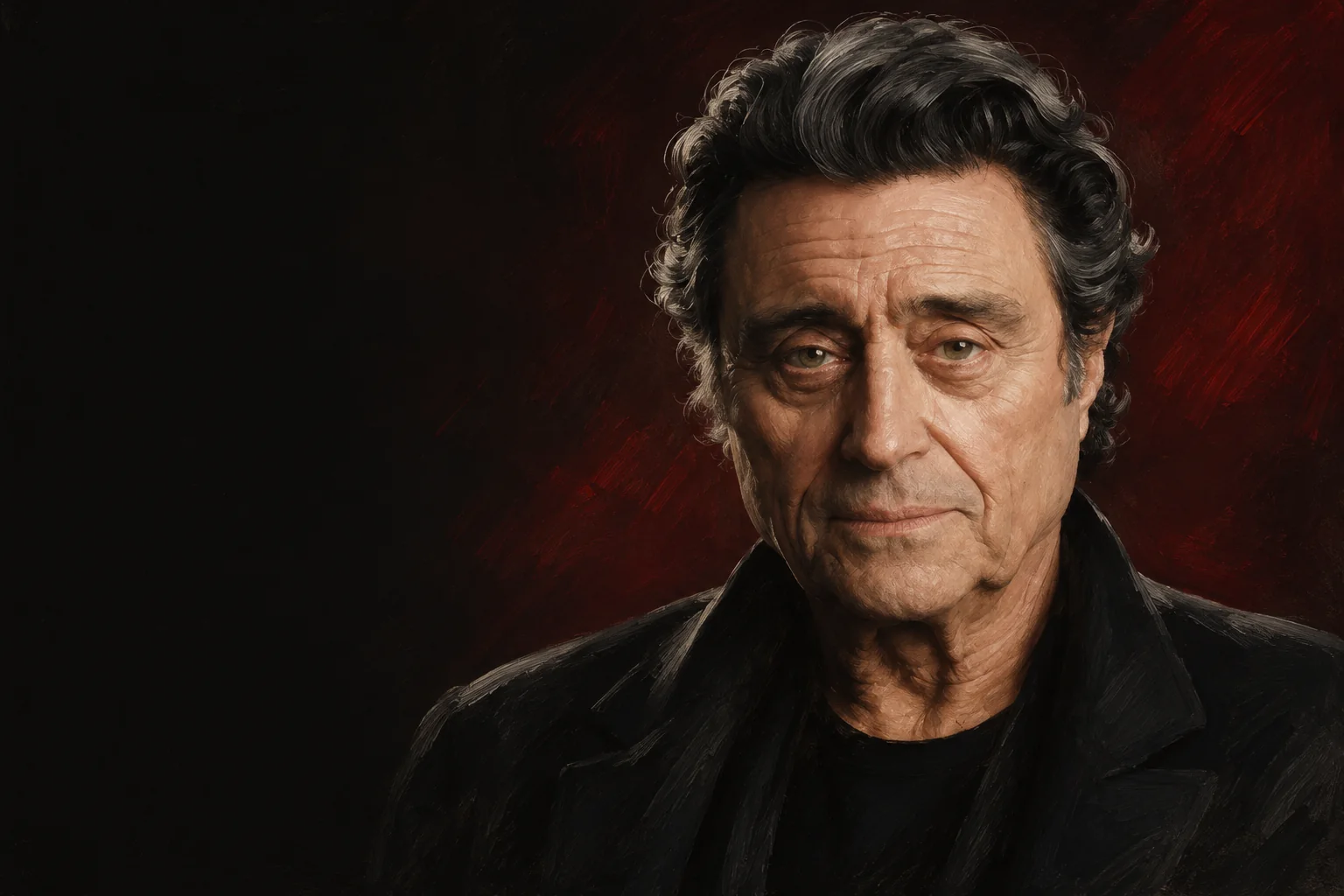
Portrait illustration: FLM.RED.