2008
Twilight
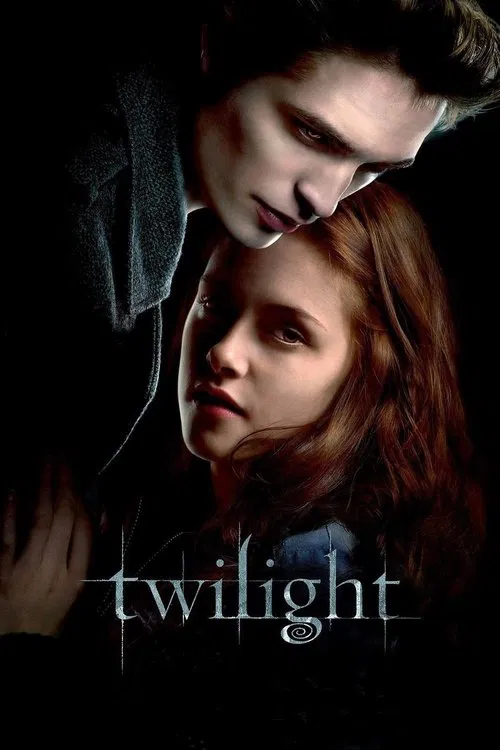
Edward Cullen makes distance and attraction occupy the same scene.
 FLM.RED
โรเบิร์ต แพตตินสัน
The unease beneath the image
From Twilight to Good Time, The Lighthouse and The Batman.
London, England
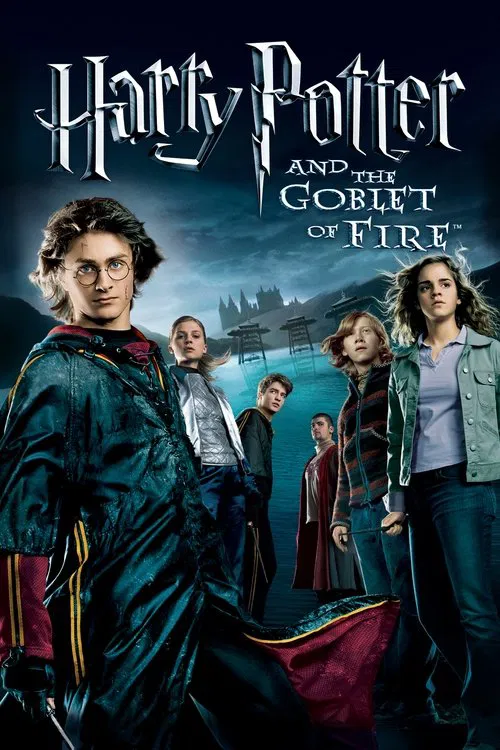
Robert Pattinson was born in London on 13 May 1986. Cedric Diggory in Harry Potter and the Goblet of Fire (2005) introduced him to a large audience; Edward Cullen in Twilight (2008) made him a leading figure in a widely followed screen romance.
Good Time (2017), directed by Josh and Benny Safdie, places him inside a New York crime story driven by a bank robber’s effort to free his brother. The film offers a different kind of screen presence: urgency, improvisation and the pressure to keep moving. For viewers approaching Pattinson through Twilight, it is a useful point at which to see the range of material he takes on.
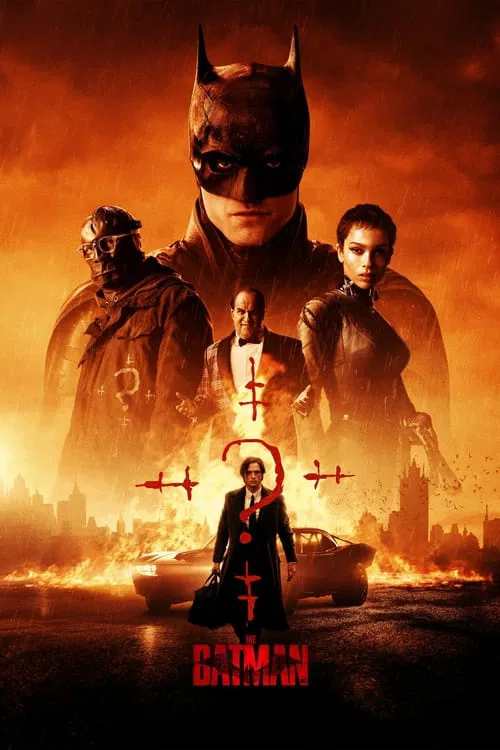
In Robert Eggers’ The Lighthouse (2019), he shares the central drama with Willem Dafoe as two lighthouse keepers on a remote New England island. Matt Reeves’ The Batman (2022) then casts him as both Bruce Wayne and Gotham’s vigilante detective. The settings differ sharply, yet both films make sustained attention to another person—or to a hidden pattern—part of the dramatic experience.
FLM.RED’s reading of these performances follows the discomfort beneath a striking surface. Pattinson can hold a face almost still while the body suggests impatience or unease. That tension makes the next movement matter. It also offers a way to compare roles without reducing the characters to a single public image of the actor.
Edward Cullen makes distance and attraction occupy the same scene.
A crime thriller pushes its central figure into a succession of urgent decisions.
Bruce Wayne and the masked detective share a withdrawn intensity.
Performance readings are FLM.RED editorial interpretation.
Titles in this collection; not a complete filmography.
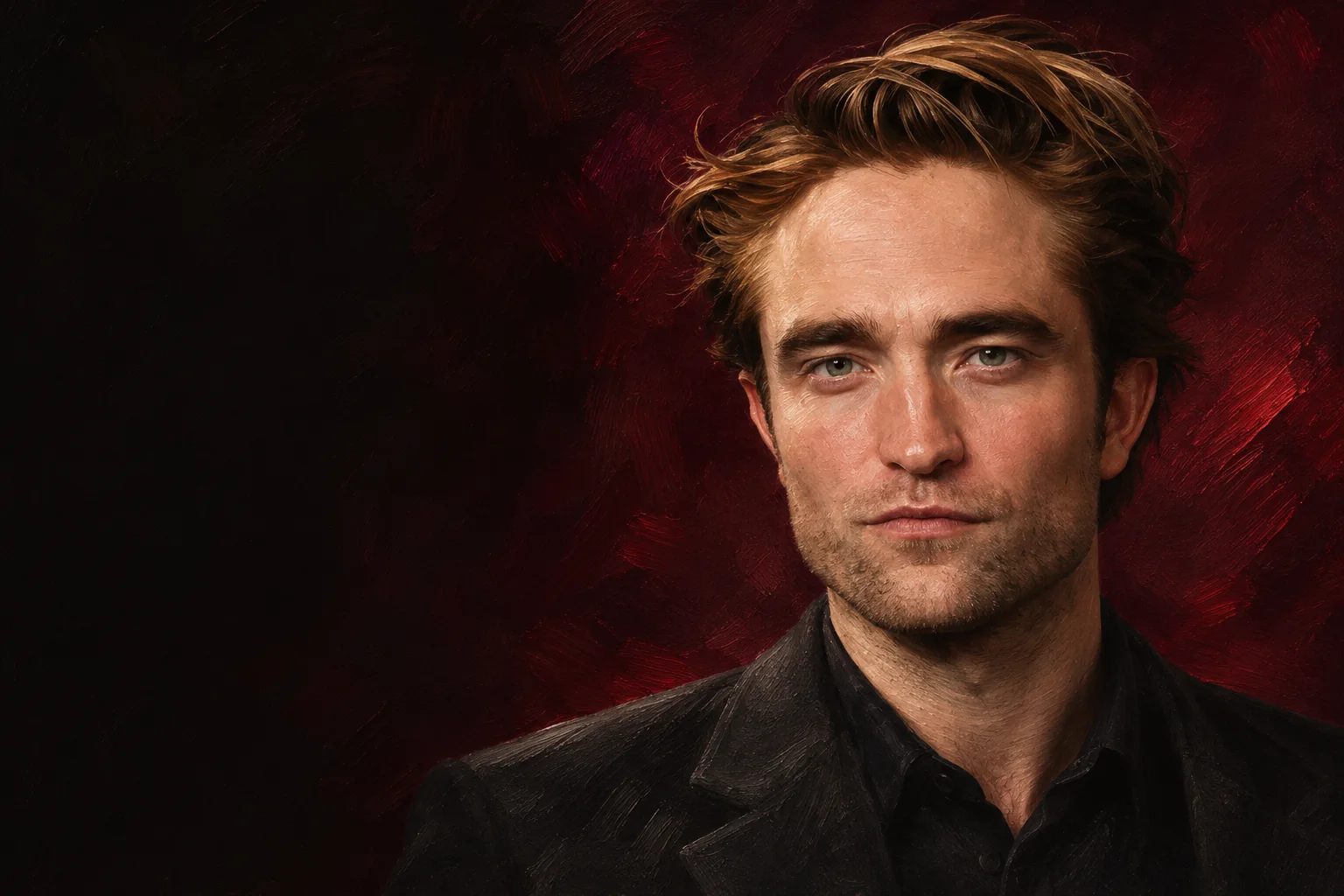
Portrait illustration: FLM.RED.