FLM.RED / After the credits
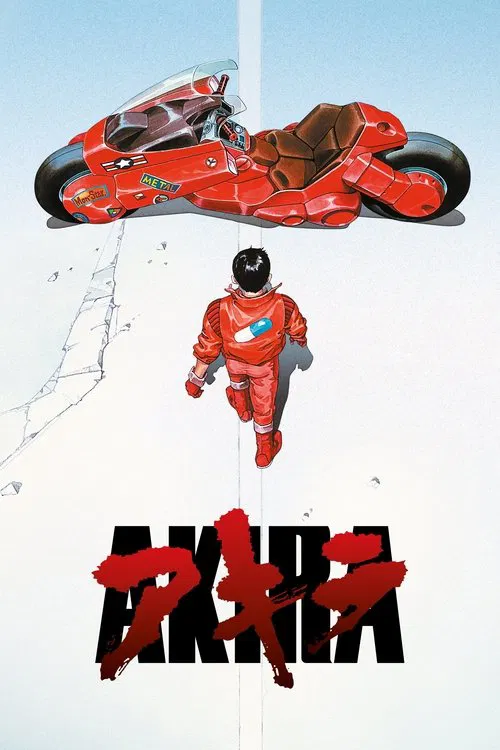
Akira Beneath the Olympic stadium
Spoiler warning. This article reveals what Tetsuo finds beneath the Olympic stadium, what happens to Kaori, and how the 1988 film ends.

Open the recap & discussion — spoilers
Tetsuo comes to the Olympic stadium looking for Akira, a boy who might understand where his new power is taking him. Beneath the place Neo-Tokyo is preparing to show the world, he finds out what the city kept from its last disaster.
The stadium goes up over an old secret
Katsuhiro Otomo opens the film with Tokyo destroyed in 1988, then jumps to Neo-Tokyo in 2019. There are expressways for Kaneda’s gang to ride at night and a new stadium under construction for the Olympics. Street protests and crackdowns continue around them. The city can change its skyline much faster than it can come to terms with what happened to its predecessor.
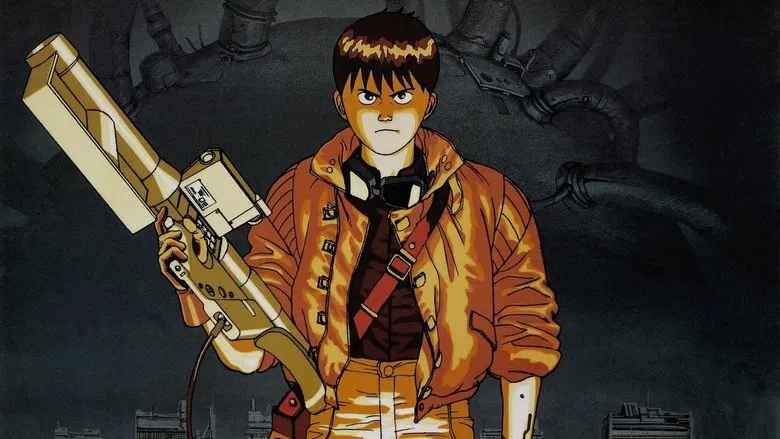
After Tetsuo encounters a psychic child and is taken to a military research facility, his own power awakens. He tracks Akira to a chamber beneath the stadium and finds pieces of his body preserved in containers. Tetsuo came looking for someone who might understand him. What he gets is a look at what the authorities did to a child like him.
When Kaori goes to him
Kaneda starts out looking for a friend in trouble, but Tetsuo remembers being the boy Kaneda always had to rescue. Once he has the power to face Kaneda without fear, his own body starts to escape his control. Kaori goes to him when he is in pain, turning the spectacle into a scene about two people who are suddenly too close for either to get away.
Tetsuo’s expanding body engulfs and kills her. He knows what is happening and cannot stop it. The film lets his power devastate the person trying to stay by his side before it spreads the destruction across the stadium.
After the light swallows the stadium
The three psychic children bring Akira back, and the light engulfs Tetsuo and the area around the stadium. Kaneda is drawn in, sees pieces of Tetsuo’s childhood and makes it back out. Otomo said in the theatrical programme that he’d imagined the film ending with the two boys revisiting their past from the beginning.
The closing imagery suggests the birth of a universe, and then Tetsuo speaks his own name. He can still say who he is, even as the people left in Neo-Tokyo have no way to know where he’s gone. His last words sound like a beginning and, after what happened at the stadium, like something Kaori can no longer hear.
After the film
- Does seeing Tetsuo’s childhood change how you hear his earlier arguments with Kaneda?
- When Tetsuo says his name, did you think about what he might have regained or what he’d already lost?