FLM.RED / After the credits
The confession nobody takes seriously
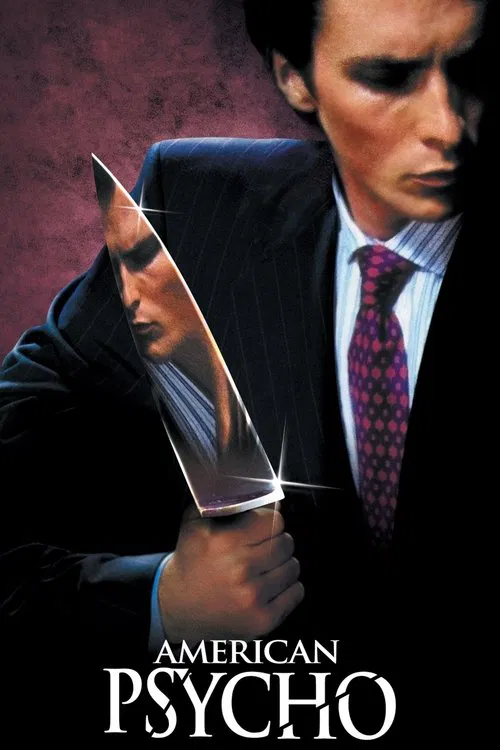
Spoiler warning. This article discusses Patrick Bateman’s confession, the ending of American Psycho (2000) and the film’s violence.

Open the recap & discussion — spoilers
When Harold Carnes sees Patrick Bateman, he thinks he is talking to someone else. Earlier, Bateman could spot the tiniest difference between nearly identical business cards. Now he needs someone to recognize the person standing in front of them, and none of that attention to detail does him any good.
The distinctions Bateman lives for
Around Bateman’s table, stock and type carry weight that faces and names rarely do. Mary Harron lets Christian Bale take the envy of the business-card scene as seriously as he takes the fear of getting caught. Both make him the object of a judgment he cannot control.
Paul Allen mistakes Bateman for another colleague well before the film starts pressing us to question what we see. That matters when a man claiming to have seen Allen comes forward. People in this circle have already shown how little they need to know about each other to sound certain.
An empty apartment and a confession taken for a joke
After leaving a confession on his lawyer’s answering machine, Bateman finds Allen’s apartment clean and on the market. The real-estate agent sends him away. Carnes takes the message for a joke and says he had dinner with Allen in London. Jean, meanwhile, opens Bateman’s planner and sees its violent drawings. We can see what she found without knowing exactly how those pages relate to the events Bateman has shown us.
Harron and co-writer Guinevere Turner have discussed their dissatisfaction with endings that explain everything away as a dream. The conversation with Carnes leaves Bateman’s reliability and the lawyer’s certainty open to question at the same time. What we can see is the confession’s effect on his social standing. He goes back to his friends and finds his place at the table still there.
After the film
- How did the business-card scene affect the weight you gave Carnes’s story about London?
- What changes when the film lets us see the planner through Jean instead of hearing about it from Bateman?