FLM.RED / After the credits
Seven Samurai (1954) When the farmers return to the fields
Spoiler warning. This article reveals who survives the fighting and how Kambei understands the village’s victory.

Open the recap & discussion — spoilers
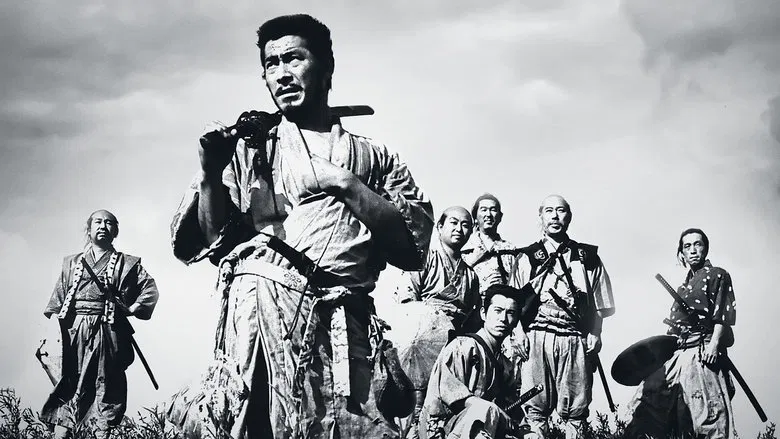
At the end of Seven Samurai, the farmers sing while they plant rice. Above the fields are four samurai graves. Akira Kurosawa gives us time to take in both sights after the fighting stops. The village has work it can resume. Kambei stands with the men who survived and sees what it cost to let the farmers get back to it.
Rice as payment, rice still to plant
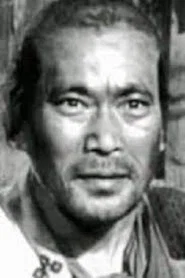
The villagers know the bandits will return at harvest, so they look for samurai who will work for food. Kurosawa takes his time assembling the group. We see Kambei rescue a child before he accepts the villagers’ request. Takashi Shimura makes the man’s steadiness something the people around him can rely on, which explains why farmers with so little to offer would think to ask him for help.
Rice joins the terms of the job to the thing the village is defending. When the farmers return to the fields after the fighting, their work gives a simple answer to what was saved. There can be another harvest. There are people left to plant it together.
Kikuchiyo knows why the farmers fear samurai
The samurai are furious when they learn the villagers have taken weapons and armor from defeated warriors. Kikuchiyo condemns some of the farmers’ conduct and then asks who taught them to fear the men in armor. A farmer’s son who wants to be a samurai can tell both groups what the other has done to them. Toshiro Mifune plays it as an outburst years in the making.
At the burning mill Kikuchiyo takes a baby to safety and recognizes his own story in the child’s. By the time he is buried alongside the other fallen samurai, the memory of him holding that child tells us what defending the village meant to him, long after the jokes about his credentials have stopped.
Shino walks past Katsushiro
Heihachi, Gorobei, Kyuzo, and Kikuchiyo die. Kambei, Shichiroji, and Katsushiro survive. After the battle, Shino and Katsushiro look at each other for a moment before she passes him and rejoins the people planting rice. Whatever intimacy they shared before the battle is still in the look. Shino already has somewhere to go when it ends.
Kambei tells Shichiroji that the farmers have won and that the samurai have lost again. The four graves make it hard to hear the remark as simple modesty. The singing carries on from the fields. Kurosawa lets the relief of the people who can start planting and the silence of the men who came to help occupy the ending together.
After the farmers return to the fields
- When Kambei says they have lost again, do you think first of the four men who died or the lives awaiting the three who survived?
- How does Shino passing Katsushiro in silence change the way you remember their earlier scenes?