FLM.RED / After the credits
A borrowed name and three supposed wives
Spoilers for Sex and the Single Girl (1964): Helen, Bob and a chaotic chase to the airport.
Open the recap & discussion — spoilers
Scandal magazine STOP wants a story about psychologist and bestselling author Helen Gurley Brown. Helen refuses to see editor Bob Weston after his sensational article, so he approaches her under another name.
The patient called Frank is really Bob
Bob borrows the name of his neighbor Frank Broderick, whose marriage is troubled, and visits Helen for marital advice. His attempt to obtain a story grows complicated as they become close. Helen does not know the marriage he describes belongs to someone else.
Three women arrive as Mrs. Broderick
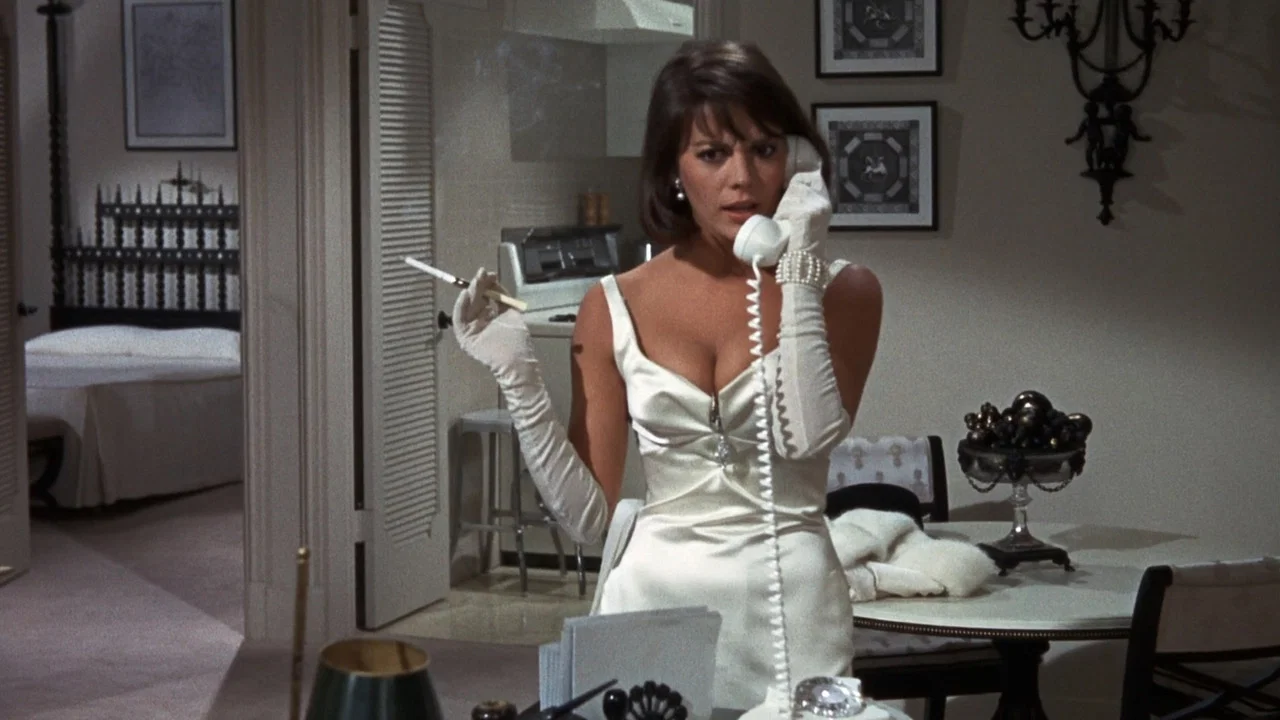
Helen wants to meet the wife she believes Bob has. His efforts to arrange an impersonator end with his secretary Susan, former girlfriend Gretchen and the real Sylvia all appearing as Mrs. Broderick. Sylvia has Frank arrested for bigamy, and Helen discovers that her visitor is Bob from STOP.
Everyone heads for the airport
Helen decides to leave with colleague Rudy. Bob refuses to publish a smear about her and loses his job, then pursues her; Sylvia follows Frank, who is leaving with Gretchen. The misunderstandings send the characters between cars and taxis in a hectic chase.
Three couples and three destinations
Frank and Sylvia reconcile and head for Fiji; Rudy and Gretchen plan a trip to Hawaii. Helen forgives Bob, and they leave for Las Vegas to marry. Seen today, the romantic ending follows Bob’s deception and use of another person’s identity, which viewers may find more troubling than the film’s comic treatment suggests.
A real book and a fictional plot
The film draws its title and inspiration from Helen Gurley Brown’s 1962 nonfiction book; the impersonating reporter is part of a fictional comedy, not a biography. The book’s interest in single women’s lives sits interestingly beside the film’s decision to end with a marriage plan.
After watching
- Did the three supposed wives or the road chase work better for you as comedy?
- How did you feel about Helen forgiving Bob after his deception?
A comedy from the 1960s
The film uses impersonation and misunderstandings alongside relationship assumptions of its era.
Keep the conversation going
Is the film a true account of Helen Gurley Brown’s life?
No. It borrows its title and inspiration from her book, but the impersonation plot is fictional.