2007
Gone Baby Gone
Stars in the missing-child crime drama directed by Ben Affleck.
 FLM.RED
เคซีย์ แอฟเฟล็ก
The difficulty of finding words
From Robert Ford and Lee Chandler to a sheeted ghost, with writing and directing beyond the performance.
Falmouth, Massachusetts, United States
Two films released in 2007 offer useful starting points for Casey Affleck’s work. Gone Baby Gone places him in a missing-child investigation directed by Ben Affleck; The Assassination of Jesse James by the Coward Robert Ford gives him a man whose admiration for another person becomes dangerous. Casey was born in Falmouth, Massachusetts, on August 12, 1975. In these very different stories, the quality that holds attention is the sense of someone trying to decide what he can say, and what he can live with.
Andrew Dominik’s Jesse James film casts him as Robert Ford opposite Brad Pitt’s Jesse. The unequal relationship makes small changes of expression and manner important: wanting to be accepted can sit very close to resentment. Affleck received a supporting-actor Oscar nomination at the 2008 ceremony for the performance. It is a nomination for a film released in 2007, and a different category from the leading-actor award he would later win. The part remains a revealing example of how unease can accumulate inside a seemingly quiet presence.
Manchester by the Sea (2016), written and directed by Kenneth Lonergan, centres on Lee Chandler, who must return to his hometown after his brother’s death and face responsibility for his nephew. Affleck makes ordinary exchanges feel difficult without requiring the character to explain himself at every turn. Pauses, irritation and awkward attempts to help carry much of the emotional work. The performance won the leading-actor Oscar and the drama-actor Golden Globe in 2017, following the film’s 2016 release.
David Lowery’s A Ghost Story (2017), with Rooney Mara, takes the question of presence into an unusual form. Affleck’s character returns after death as a ghost covered by a white sheet. Much of the familiar face is unavailable to the viewer, so attention shifts to posture, duration and the space around the figure. It is a useful companion to his dialogue-driven roles: the film asks what remains of a person in a place, and what an actor can communicate when a face cannot do the work.
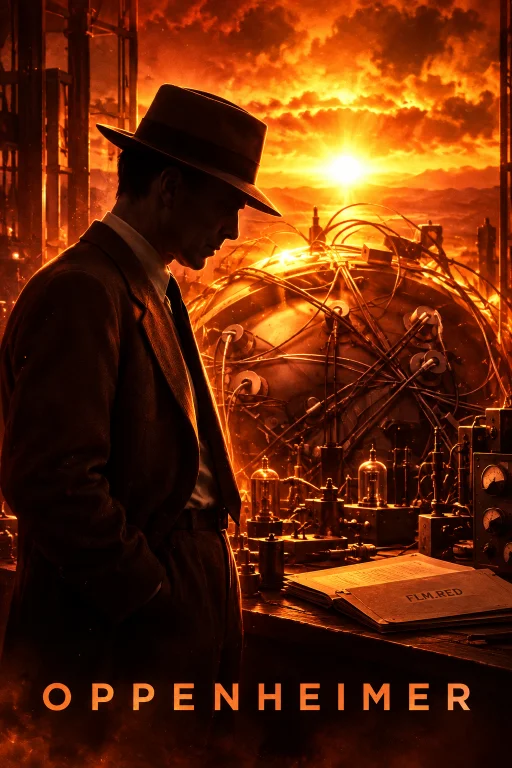
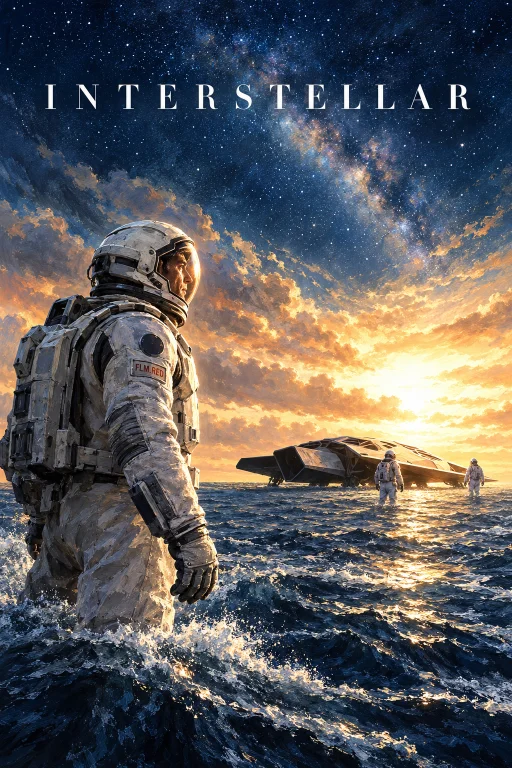
His appearances in Christopher Nolan’s films use a more compact amount of screen time. In Interstellar (2014), he plays Tom; in Oppenheimer (2023), he plays Boris Pash. The roles belong to very different kinds of pressure, from the ties of a family to the authority of an interrogation. Watching these parts alongside his leading performances shows how a restrained delivery can establish the temperature of a scene quickly. A short appearance can still change how the audience reads the people around him.
Affleck also shapes stories through writing and directing. He wrote, directed and starred in Light of My Life (2019), a parent-and-child survival drama set after a pandemic. The Instigators (2024) brings a different pace: he co-wrote the screenplay with Chuck MacLean and plays Cobby opposite Matt Damon’s Rory, with Doug Liman directing the robbery comedy. Those credits extend the picture of his career beyond performance, from sustaining an intimate relationship on screen to constructing the trouble that two reluctant partners must talk their way through.
Stars in the missing-child crime drama directed by Ben Affleck.
The Robert Ford performance earns a supporting-actor Oscar nomination in 2008.
Plays Tom in Christopher Nolan’s film.
The 2016 film brings leading-actor Oscar and drama-actor Golden Globe wins in 2017.
Works with David Lowery and Rooney Mara.
Writes, directs and stars in the parent-and-child drama.
Plays Boris Pash, then co-writes and stars as Cobby in Doug Liman’s film.
Performance readings are FLM.RED editorial interpretation.
Titles in this collection; not a complete filmography.
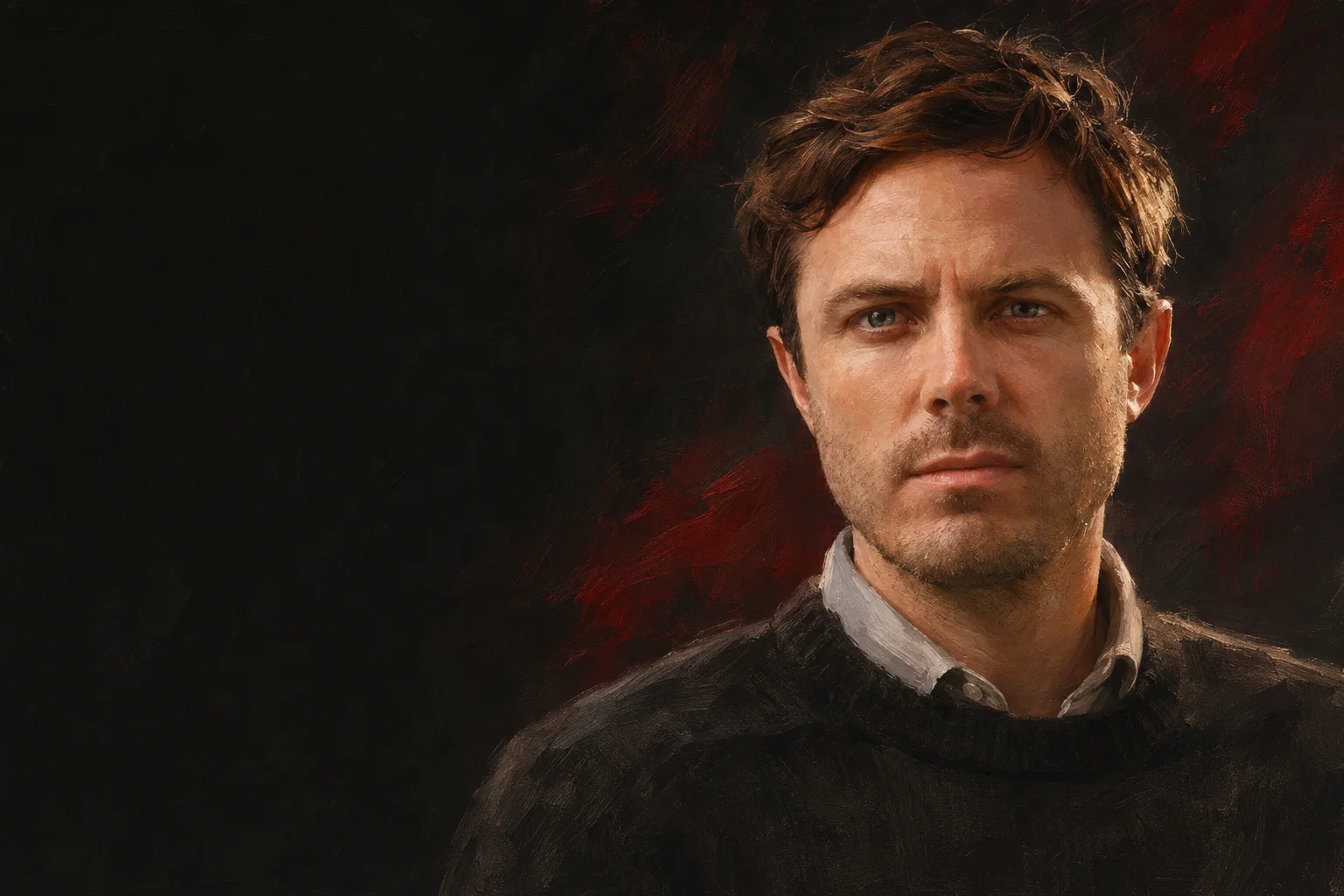
Portrait illustration: FLM.RED.