FLM.RED / After the credits
A chain reaction beyond the laboratory
A recap and conversation about the bomb, the security hearing, Strauss and the final conversation. Major spoilers.
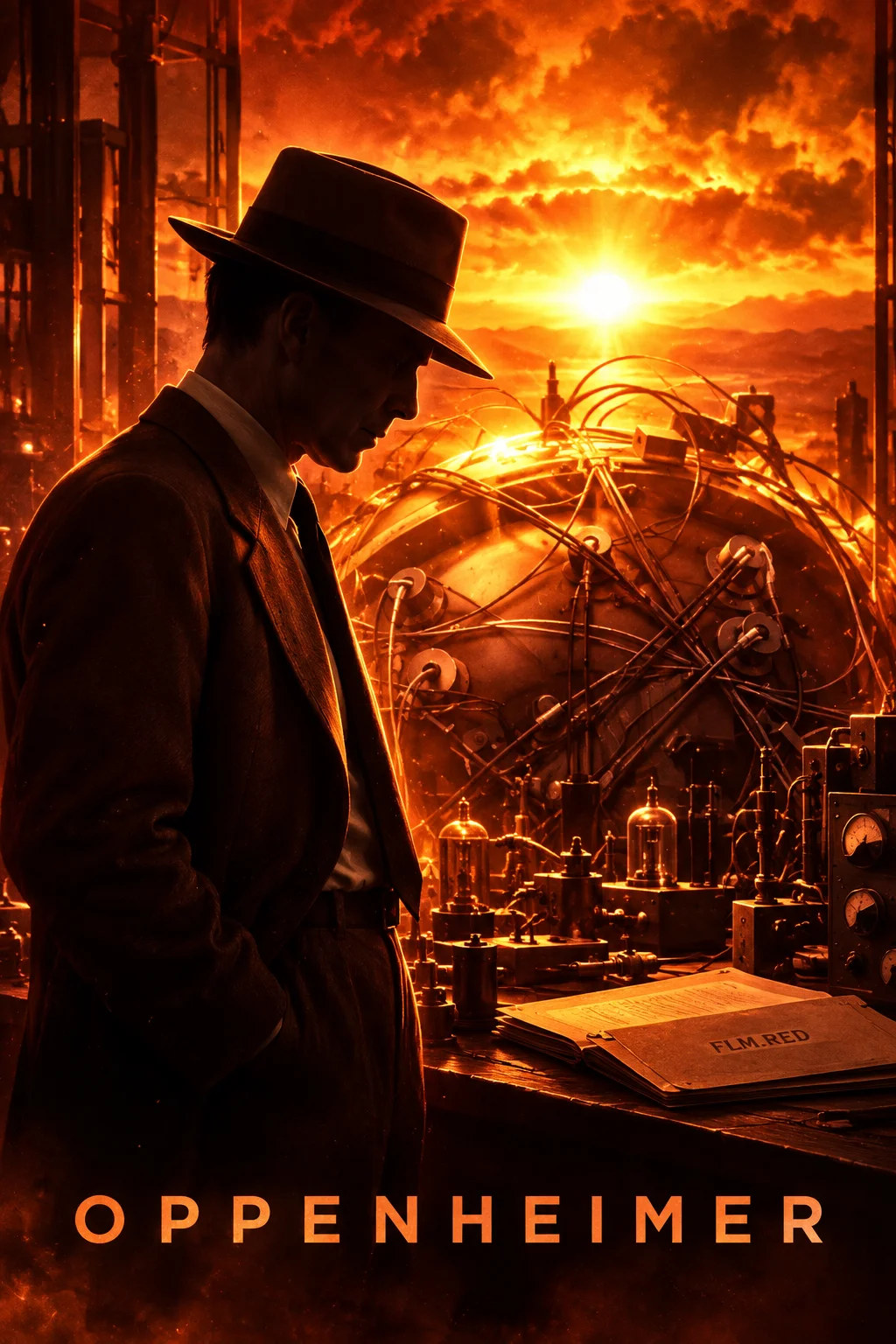
Open the recap & discussion — spoilers
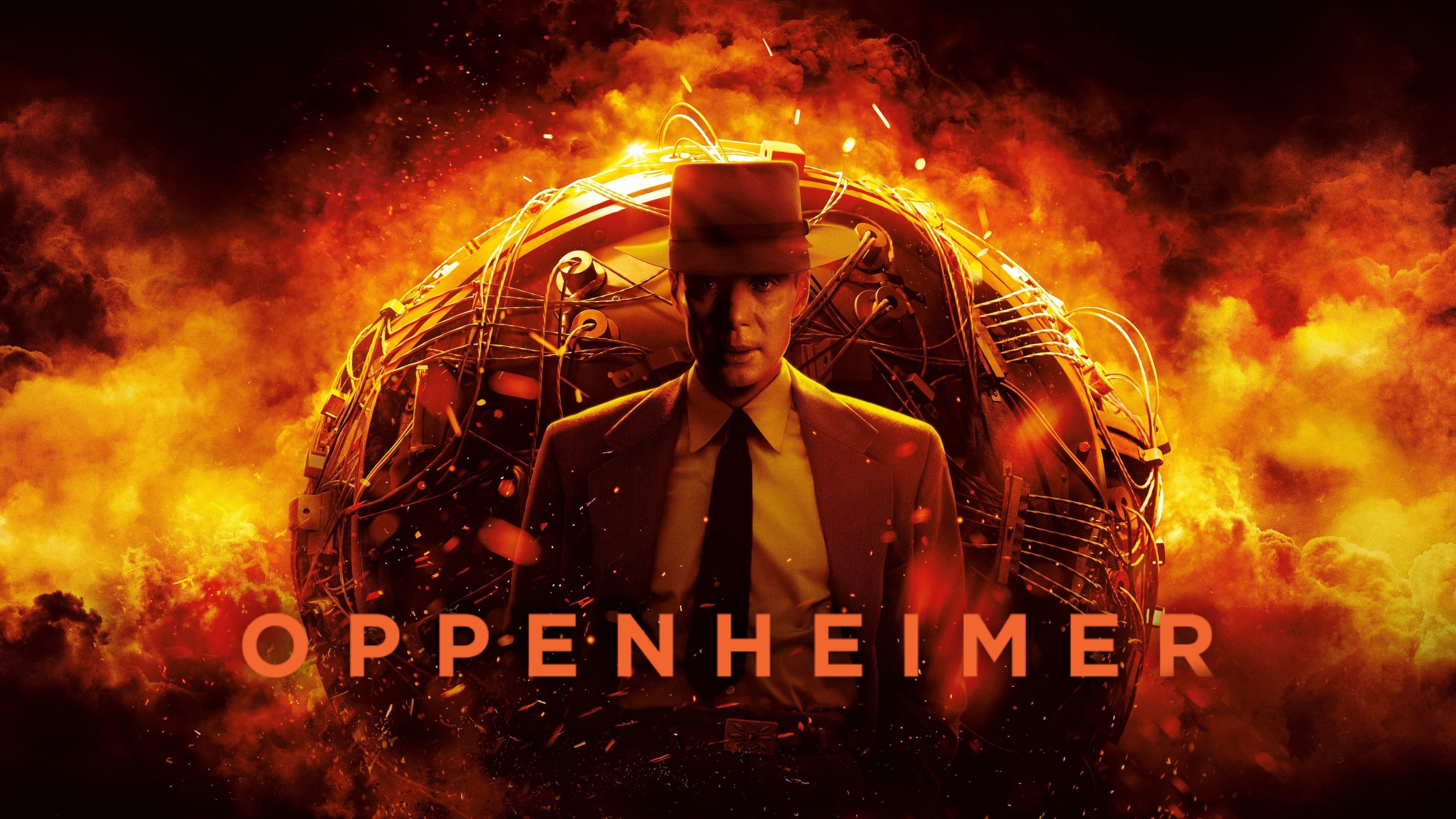
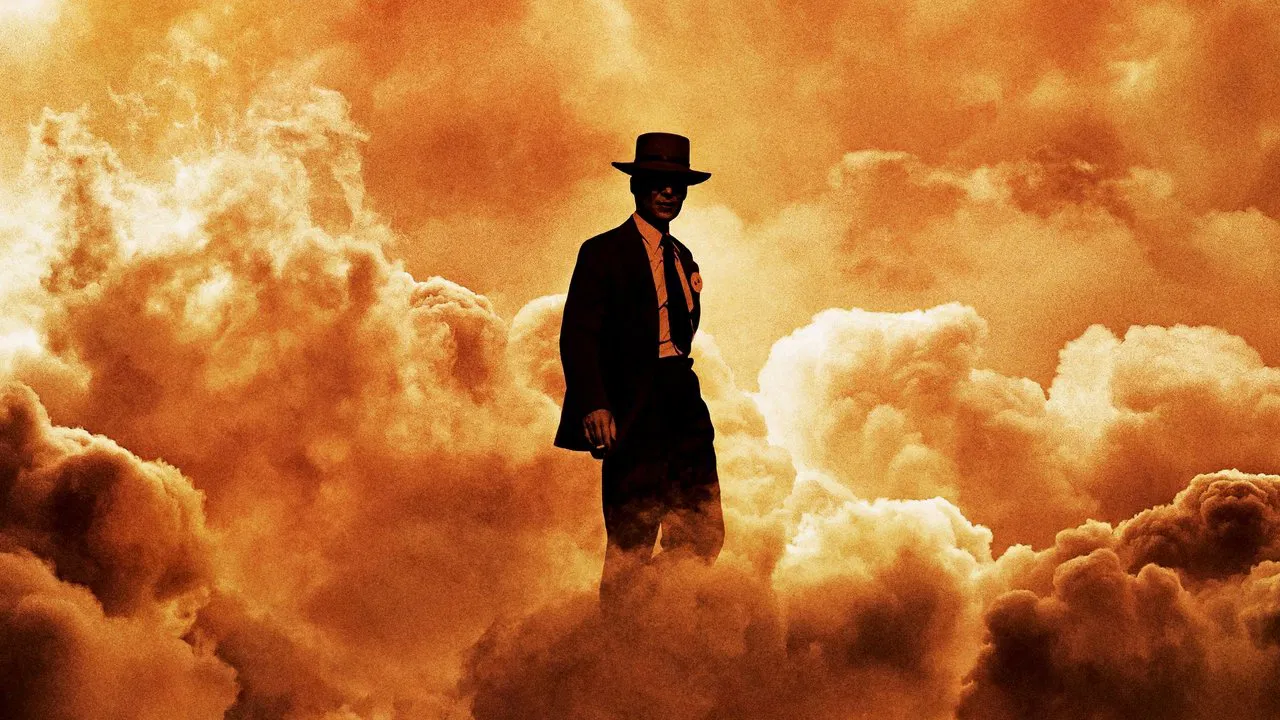
Oppenheimer follows a scientific achievement and its political aftermath through overlapping perspectives. The film’s final question concerns consequences that outlast any hearing.
The Manhattan Project
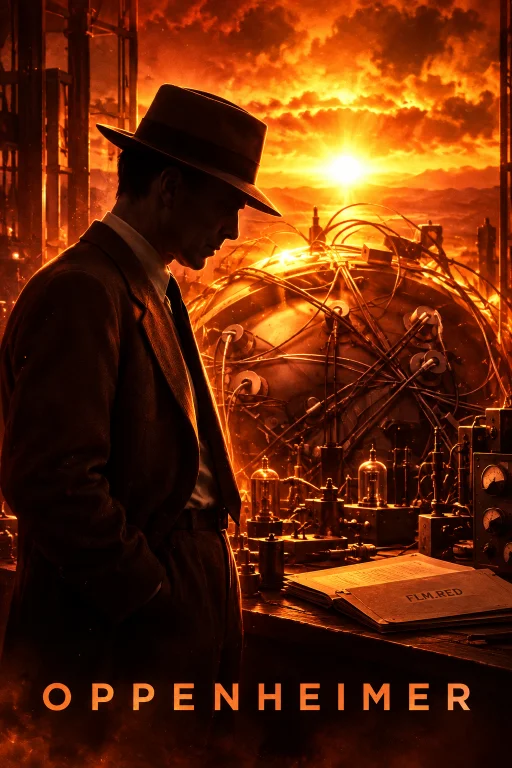
J. Robert Oppenheimer is appointed to lead the Los Alamos laboratory as the United States races to develop an atomic bomb during World War II. He assembles scientists and oversees work culminating in the Trinity test.
Success and its consequences
After the test, atomic bombs are dropped on Hiroshima and Nagasaki. The film follows Oppenheimer’s public recognition alongside his distress and the political struggle over the future of nuclear weapons.
The security hearing
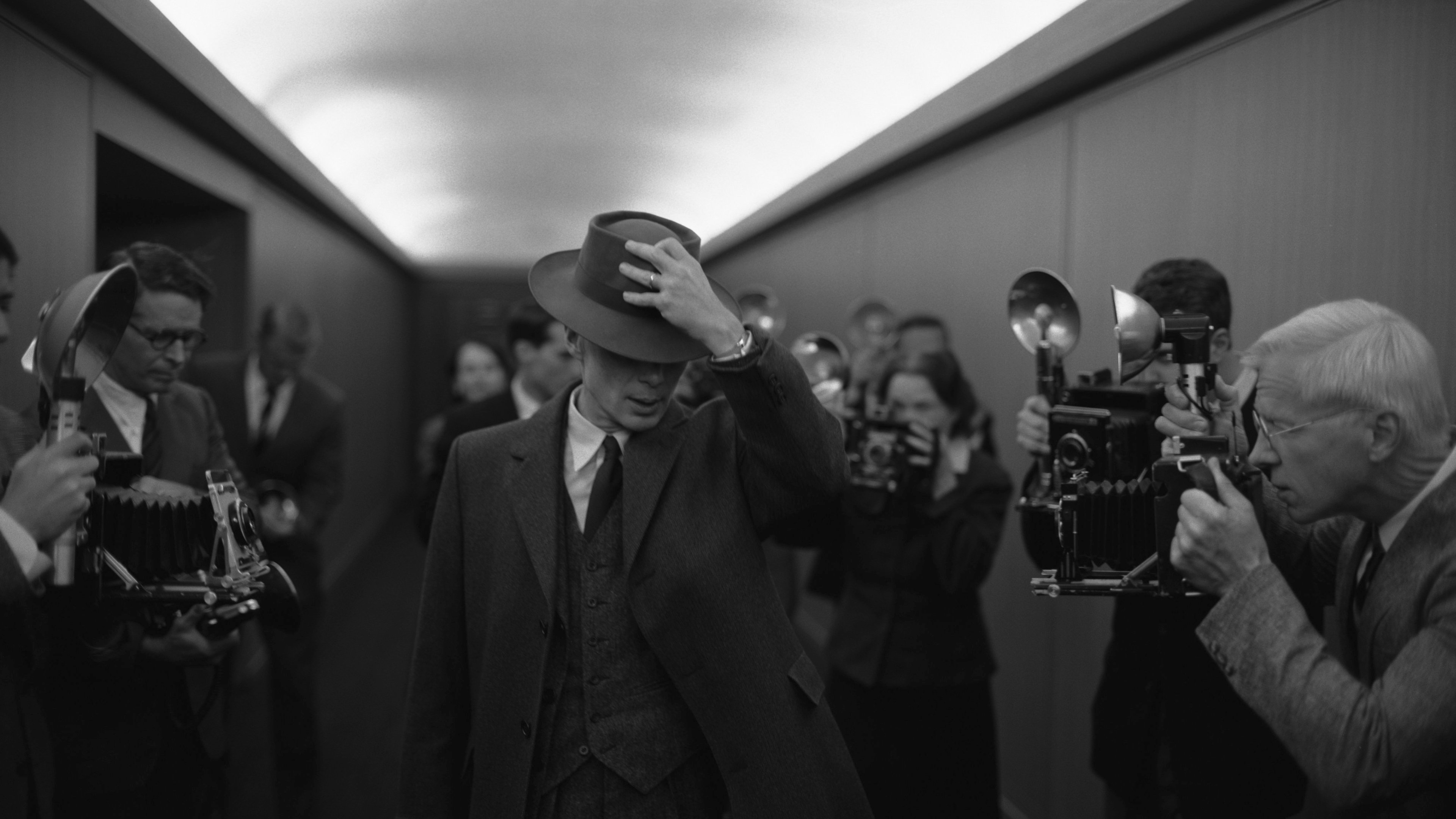
Years later Oppenheimer faces a security hearing that scrutinises his past associations and judgment. His clearance is revoked. The film presents the hearing as a process shaped by political rivalry as well as the questions formally put to witnesses.
Strauss and the confirmation vote
Lewis Strauss believes a conversation between Oppenheimer and Einstein was about him. His role in the campaign against Oppenheimer becomes a subject of scrutiny during his own Senate confirmation process, and his nomination fails.
The conversation by the pond
The film finally returns to Oppenheimer’s exchange with Einstein. They discuss the prospect of a chain reaction destroying the world; Oppenheimer fears that the development of nuclear weapons has begun another kind of chain reaction.
The scene is the film’s dramatic interpretation, not a documented transcript of a private historical conversation. Its power lies in connecting the scientist’s initial fear to a world living with weapons after the test.
Questions after watching
- How does the film distinguish scientific achievement from responsibility for its consequences?
- What does Strauss misunderstand when he assumes the conversation concerns him?
- Why end with an imagined private conversation rather than a public verdict?
The test does not end the story
The Trinity explosion is a turning point, not a conclusion. The hearing and the final scene shift attention from whether a device can work to what people and governments do afterward.
Keep the conversation going
What happens to Oppenheimer’s clearance?
It is revoked after the security hearing shown in the film.
What happens to Strauss’s nomination?
The Senate does not confirm him.
Is the final Einstein conversation a historical transcript?
The scene is a dramatic depiction in the film; it should not be treated as a verified transcript of a private conversation.